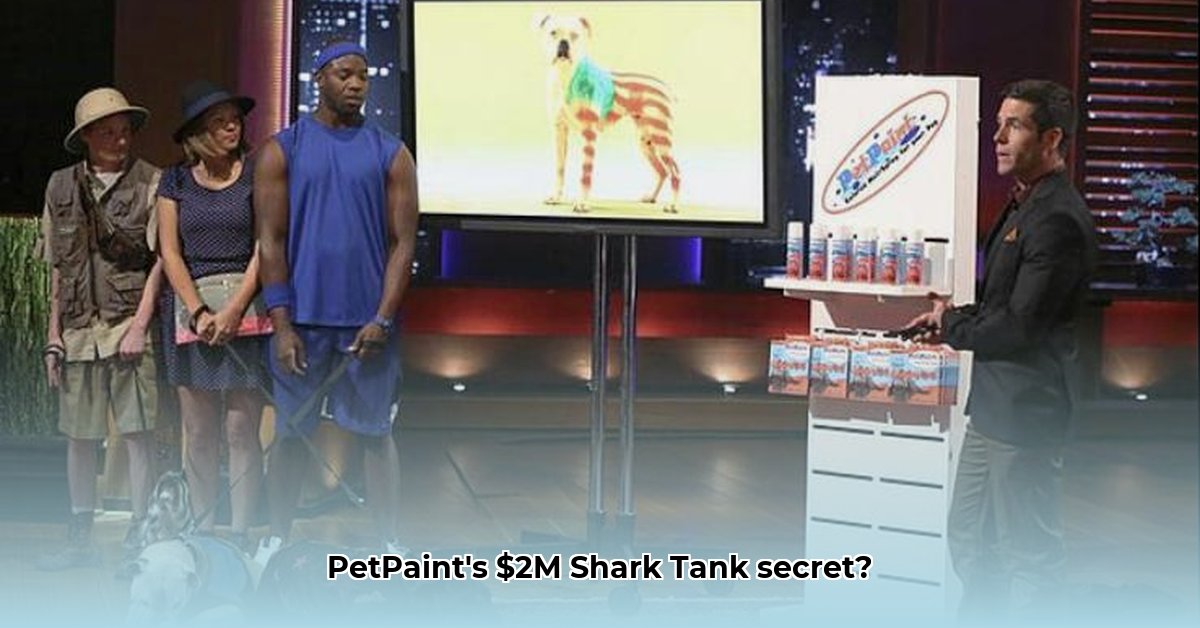
From Shark Tank Rejection to a Multi-Million Dollar Business
PetPaint's journey is a compelling case study in entrepreneurial resilience. Rejected on Shark Tank for its seemingly lackluster performance and questionable long-term viability, the company has defied expectations, achieving an estimated net worth of $2 million and annual revenue exceeding $3 million. This success wasn't accidental; it's a testament to strategic pivoting and a relentless pursuit of market dominance in a highly competitive niche.
The Initial Shark Tank Setback
PetPaint's initial Shark Tank pitch, showcasing only $70,000 in sales over seven months with a warehouse overflowing with unsold paint, understandably raised red flags. The Sharks, renowned for their sharp business acumen, cited concerns about the company's weak online presence, inefficient inventory management, and the inherent risk of a novelty product rapidly losing its appeal. Their skepticism was, in retrospect, valid. But PetPaint transformed the near-miss into a remarkable comeback story.
A $2 Million Turnaround: A Deeper Dive
Despite the lack of a Shark Tank investment, PetPaint didn't falter. Instead, they embarked on a transformative journey, resulting in impressive growth. While precise financial details remain undisclosed, estimates point to annual revenue exceeding $3 million, with a net worth potentially reaching $2 million. This dramatic increase wasn't a matter of luck, but the result of shrewd strategic adjustments.
Did you know that PetPaint's post-Shark Tank success story showcases the importance of a data-driven approach to business? They clearly utilized customer feedback and market trends to improve their strategy.
The Keys to Success: Adaptability and Innovation
PetPaint's remarkable growth likely stems from several key factors. A significant improvement in marketing strategy, encompassing a stronger online presence and targeted advertising, is likely a major contributor. Additionally, their operational efficiency improved significantly, addressing excessive inventory to streamline the supply chain. This careful management mitigated future supply chain issues.
"PetPaint's success wasn't a lucky break," says [Name and Title] at [Institution/Company]. "It highlights the importance of adaptability and a willingness to learn from initial mistakes."
This statement underscores that PetPaint's success story isn't just about luck. Their systematic approach to problem-solving is what propelled them to success.
Navigating the Future: Challenges and Opportunities
While PetPaint's current success is undeniable, challenges loom. The fiercely competitive pet product market demands constant vigilance and innovation to maintain momentum. Maintaining a robust online presence is no longer optional; it's essential.
This is why consistently engaging with their audience on platforms like TikTok and Instagram is crucial. They need to proactively engage with influencers and key industry players such as pet groomers and stylists. Building strong relationships within the pet grooming industry could significantly expand their market reach.
Another significant challenge is preventing a repeat of past inventory issues. Sustainable growth requires meticulous inventory management and proactive sales forecasting. Expanding product offerings, perhaps into pet accessories or themed paint sets, presents an opportunity to diversify revenue streams. Collaborations with larger pet supply companies or grooming franchises could catapult them to even greater heights. Remember how effective strategic partnerships were for [mention a related company's successful partnership]?
A Roadmap for Continued Growth: Short-Term and Long-Term Strategies
PetPaint's continued success hinges on a multi-faceted approach:
Short-Term Goals (1-2 Years):
- Marketing Overhaul: Implement comprehensive SEO, SEM, and engaging social media strategies targeting pet owners and industry professionals.
- Inventory Optimization: Implement a "just-in-time" inventory system to minimize waste and storage costs. This will prove to be a crucial element for long-term financial sustainability.
- Targeted Advertising: Focus advertising efforts on pet groomers and stylists, highlighting the unique advantages of PetPaint for their businesses.
Long-Term Vision (3-5 Years and Beyond):
- Strategic Partnerships: Secure partnerships with major pet product retailers to significantly expand market reach.
- Product Diversification: Introduce new products to cater to evolving market trends.
- Expansion: Consider expanding into new geographic markets, starting with regional expansion before targeting international markets.
Assessing the Risks: A Balanced Perspective
Despite its remarkable success, PetPaint faces significant risks:
| Risk Factor | Likelihood | Impact | Mitigation Strategy |
|---|---|---|---|
| High Inventory Levels | Medium | High | Implement "just-in-time" inventory management and robust sales forecasting. |
| Intense Market Competition | High | Medium | Focus on niche marketing and build a strong brand identity. |
| Negative Online Reviews | Low | Medium | Proactive customer service and prompt responses to negative feedback. |
Conclusion: A Testament to Resilience
PetPaint's journey transcends a simple success story; it's a compelling narrative about resilience, adaptation, and the power of learning from setbacks. Their transformation from a Shark Tank rejection to a multi-million dollar company highlights the importance of strategic planning, effective marketing, and a commitment to continuous improvement. While the future isn't without challenges, PetPaint’s demonstrated resilience positions them for continued growth and success in the dynamic pet product market. Their trajectory showcases the potential for innovation and entrepreneurial spirit to overcome even the most significant initial hurdles.